Sustainable packaging development requires more than changing a single raw material. The substrate, printing ink, coating, adhesive, converting process and end-of-life pathway must work together as one complete packaging system.
Resins play an important role in this system. The right resin can improve pigment dispersion, adhesion, flexibility, gloss, resistance and production consistency. These improvements may help converters achieve the required packaging performance while avoiding unnecessary material use or process failures.
However, no resin alone makes a package sustainable. Every formulation should be evaluated within the final packaging structure and according to the collection and recycling requirements of its target market.
Why Resin Selection Matters in Packaging
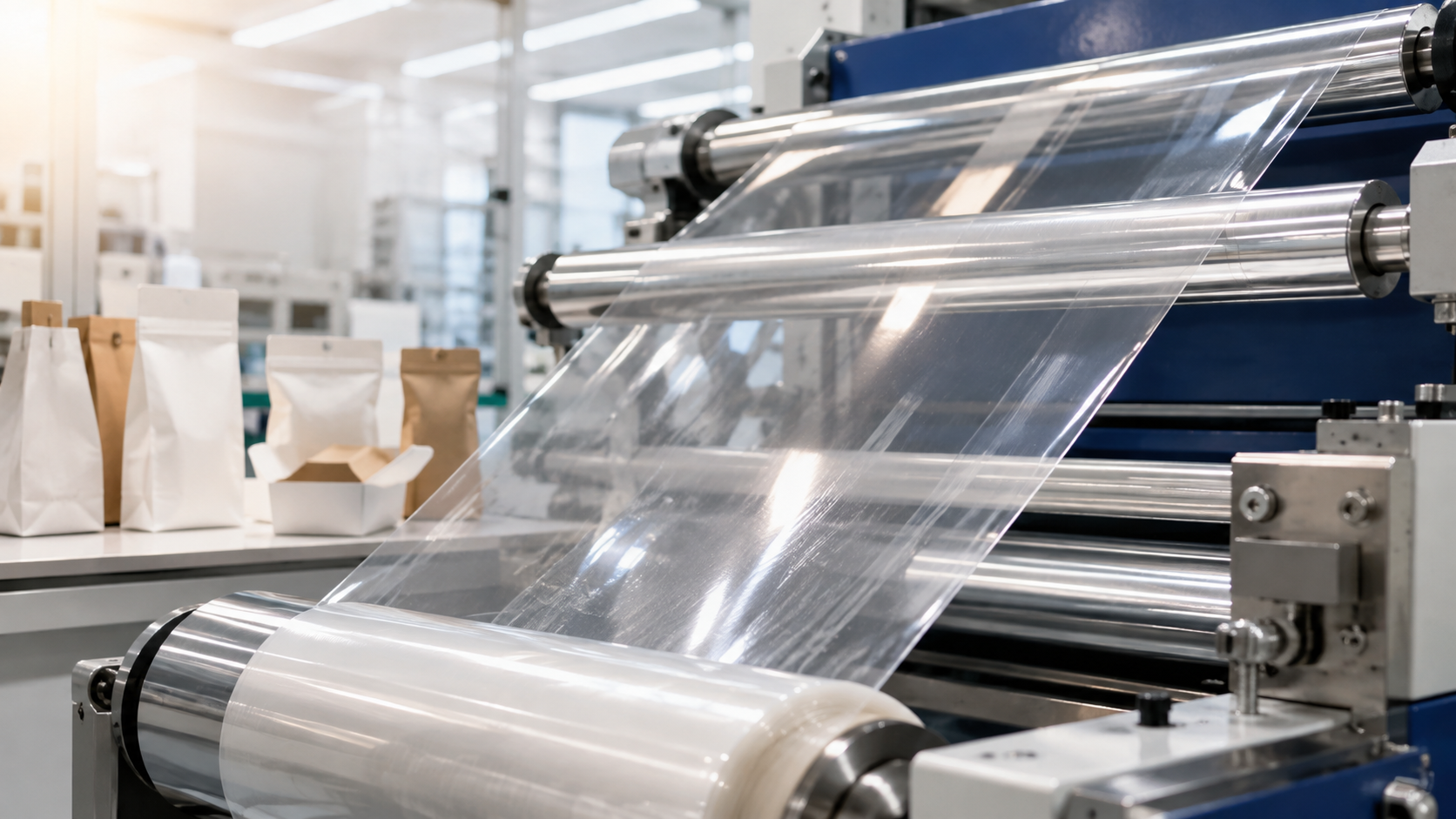
Packaging inks and coatings must perform on substrates ranging from treated polyethylene and polypropylene films to PET, paper, board and metal.
Each substrate presents different surface characteristics. A resin that performs well on paper may not provide sufficient adhesion on a low-surface-energy plastic film. Processing conditions, printing speed, drying temperature and downstream lamination can also affect the result.
Resin selection therefore influences several important properties:
- Adhesion to the selected substrate
- Pigment wetting and dispersion
- Colour strength and gloss
- Drying and converting efficiency
- Flexibility and resistance to cracking
- Rub, blocking and chemical resistance
- Compatibility with other binders, additives and adhesives
Balancing these properties is essential when developing packaging that performs reliably throughout printing, converting, filling, transportation and use.
Resin Solutions for Packaging Inks
Printing inks are one of the most visible components of a package. They must provide consistent colour and appearance while maintaining adhesion and resistance during converting and use.
Aldehyde Ketone Resins
Aldehyde ketone resins can be used as co-resins in selected ink and coating formulations. They may help improve pigment wetting, gloss, hardness and compatibility with other binders.
Their suitability depends on the solvent system, substrate, primary binder and required resistance properties. Laboratory testing is necessary before introducing them into a commercial packaging formulation.
Ketone Resins
Ketone resins are commonly evaluated where formulators need good pigment dispersion, colour development, gloss and hardness. They may be combined with other resins to adjust application performance.
The final result depends on resin compatibility, molecular characteristics and the complete formulation rather than the resin name alone.
Polyamide Resins
Polyamide resins are widely associated with solvent-based flexographic and gravure inks for flexible packaging. Depending on the grade and formulation, they can support adhesion, flexibility and resistance on treated film substrates.
Important selection factors include alcohol or co-solvent compatibility, softening point, blocking resistance, heat resistance and the requirements of any subsequent lamination process.
Resins in Coatings and Primers
Packaging coatings can provide visual effects or functional protection. Depending on the application, they may contribute to gloss, scuff resistance, chemical resistance, print protection or improved adhesion between layers.
Resin selection should consider:
- The underlying substrate
- The required coating weight
- Drying and curing conditions
- Flexibility during folding or forming
- Compatibility with inks and adhesives
- Heat, moisture and chemical exposure
- The intended recycling stream
Using more coating does not automatically produce better performance. A well-balanced formulation may achieve the required result at an efficient coating weight, but this must be confirmed through production trials.
Supporting More Sustainable Packaging Design
A practical sustainable-packaging project usually begins by defining the required performance and then avoiding unnecessary complexity.
Reduce Material Without Losing Protection
Reducing film thickness or coating weight can lower material consumption, but only when the package continues to protect its contents adequately. Product damage or shortened shelf life can outweigh material savings.
Resins can support downgauging projects when they help maintain adhesion, print quality or surface resistance at a lower application weight.
Consider the Complete Packaging Structure
Base films, barrier layers, inks, coatings, adhesives and additives can all affect sorting and recycling performance. A component that is compatible with one recycling stream may not be suitable for another.
Mono-material structures are increasingly considered where technically practical, but they must still meet barrier, sealing, printing and product-protection requirements.
Avoid Unsupported Environmental Claims
Terms such as “recyclable,” “eco-friendly” and “sustainable” should not be based only on the presence of a particular resin.
Claims should be supported by the final packaging design, relevant test results, local collection infrastructure and applicable regulations or industry guidelines.
A Practical Resin Evaluation Checklist
Before selecting a resin for a packaging application, define the following information:
- Substrate
Identify whether the package uses PE, PP, PET, paper, board, foil or another material. Record any corona treatment, primer or surface coating. - Printing or coating process
Specify flexographic, gravure, offset, screen or another application method, together with expected production speed. - Formulation system
Confirm whether the system is solvent-based, water-based, energy-curable or another technology. - Performance requirements
Establish targets for adhesion, gloss, flexibility, blocking, rub resistance, heat resistance and chemical resistance. - Converting conditions
Consider drying temperature, winding pressure, lamination, sealing, folding and storage conditions. - Packaging contents
Evaluate possible exposure to water, oils, chemicals, fragrances or other substances. Food-contact and regulatory requirements must be reviewed separately when applicable. - End-of-life requirements
Check the design guidance and recycling stream relevant to the intended sales market. Test the complete printed or laminated structure when necessary.
Test the Complete Structure
Laboratory screening is an important first step, but it cannot replace a production trial.
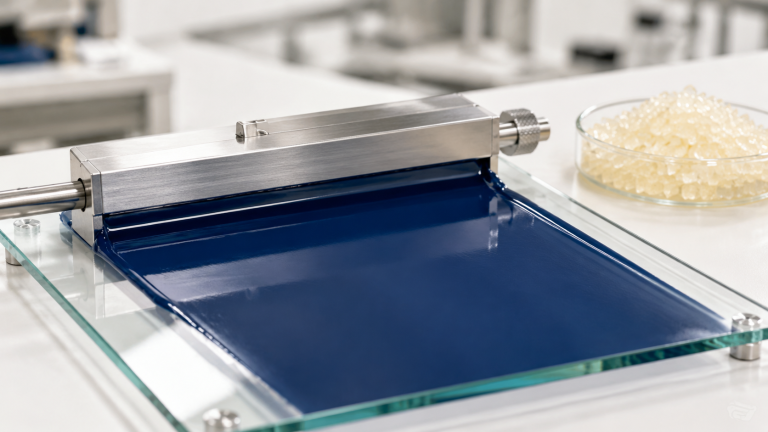
A resin may show good compatibility in a simple drawdown while behaving differently at production speed or after lamination, sealing and storage. Testing should therefore progress from formulation screening to printed samples and finally to the complete package.
Key tests may include adhesion, colour strength, gloss, blocking, rub resistance, heat resistance, flexibility, lamination bond and ageing stability.
Conclusion
Resin selection can support better printability, adhesion, durability and processing efficiency in packaging applications. These improvements can contribute to responsible material use, but sustainability must be assessed at the level of the complete package.
Most Chemical provides aldehyde ketone resins, ketone resins, polyamide resins, amino resins, pigments and specialty additives for printing inks, coatings, adhesives and related applications.
Our team can help review your substrate, formulation system and performance requirements before recommending samples for laboratory evaluation.
Developing a packaging ink or coating formulation?
Contact Most Chemical to discuss your application and request suitable resin samples.