Resin selection has a direct impact on the adhesion, gloss, pigment dispersion, drying speed, and durability of a printing ink. The right choice depends not only on the printing process, but also on the solvent system, substrate, pigments, and end-use requirements. Evaluating these factors together helps formulators achieve more stable performance and fewer production problems.
Why Resin Selection Matters in Printing Ink Formulations
In a printing ink, resin acts as a binder or performance-modifying component that connects the pigment, solvent, and printed substrate. It can influence pigment wetting, adhesion, gloss, film strength, flexibility, resistance, and drying behavior. A resin that performs well in one system may not suit another because solvent polarity, substrate surface, pigment loading, and printing speed can all change the final result. Resin selection should therefore begin with the actual formulation and application conditions rather than the product name alone.
Five Key Factors to Evaluate When Choosing a Resin
1.Solubility and Solvent Compatibility
The resin should dissolve completely and remain stable in the selected solvent blend. Poor compatibility may cause haze, viscosity changes, gel particles, weak color development, or storage instability. Solubility should be tested not only in a single solvent, but also in the final solvent mixture at the intended solid content and operating temperature.
2. Adhesion to the Printing Substrate
The selected resin must form a continuous film and provide sufficient adhesion to the intended substrate. Paper, treated plastic films, aluminum foil, and coated surfaces can respond very differently to the same formulation. Surface energy, corona treatment, primers, the primary binder, and drying conditions may all affect the final adhesion.
Evaluate adhesion only after the printed film has fully dried and conditioned. Tape adhesion, cross-hatch testing, rub resistance, and lamination trials can provide a more reliable assessment than visual inspection alone.
3. Pigment Wetting and Dispersion
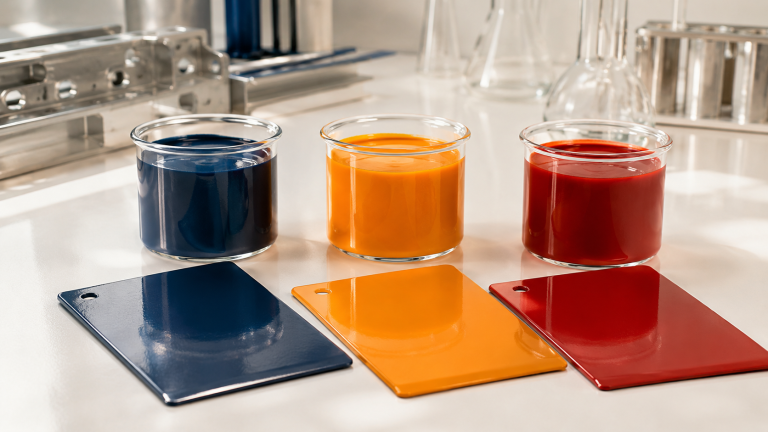
Good pigment wetting helps reduce agglomerates, shorten dispersion time, and improve color strength, gloss, and consistency. A suitable grinding resin should maintain manageable viscosity while supporting stable pigment dispersion.
During laboratory evaluation, compare milling time, grind fineness, viscosity, color strength, gloss, and storage stability. Aldehyde resins are often evaluated as grinding resins or co-binders in solvent-borne pigment systems because they can contribute to pigment wetting and dispersion performance.
4. Gloss, Film Formation, and Resistance
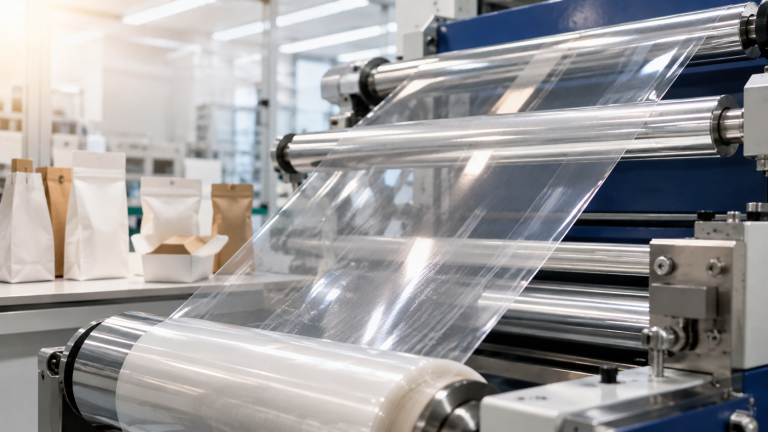
Resin selection affects how the ink film forms after the solvent evaporates or the system cures. Depending on the end use, formulators may need to balance gloss, hardness, flexibility, rub resistance, chemical resistance, and blocking resistance.
Higher hardness is not always better. A film that is too hard may become brittle or lose adhesion on flexible substrates, while a film that is too soft may show blocking or poor abrasion resistance. The required balance should be determined by the printing substrate and final application.
5. Drying Speed and Press Performance
The relationship between the resin and solvent system influences ink transfer, resolubility, viscosity stability, and drying behavior during printing. If the system dries too quickly, ink may dry on the printing plate or cylinder and reduce print quality. If it dries too slowly, blocking, set-off, or residual solvent problems may occur.
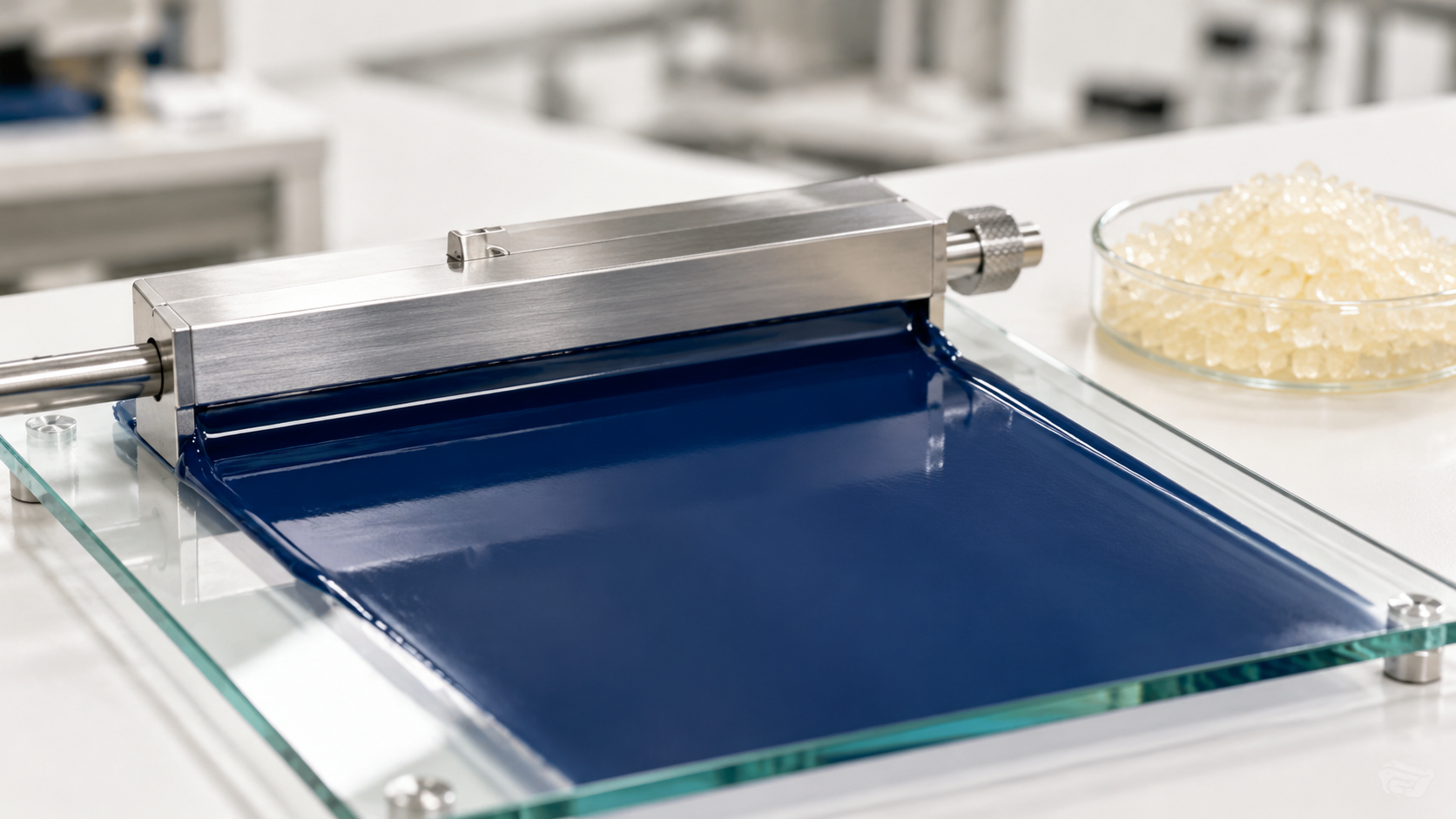
Laboratory drawdowns are useful for initial screening, but the final resin system should also be evaluated under realistic press speed, temperature, airflow, and drying conditions.
Match the Resin to the Printing Process
Different printing processes place different demands on the resin system. Before selecting a resin, identify the printing method and its most important performance requirements.
- Gravure and flexographic inks: Prioritize solvent compatibility, pigment wetting, low application viscosity, substrate adhesion, controlled drying, and resolubility.
- Offset inks: Evaluate pigment dispersion, rheology, tack, gloss, rub resistance, and the compatibility of the resin with the selected oil-based or energy-curable system.
- Packaging inks and coatings: Consider adhesion, lamination performance, heat-seal compatibility, odor, migration risk, chemical resistance, and applicable regulatory requirements.
- Screen printing inks: Focus on viscosity control, film build, adhesion, flexibility, and the required drying or curing mechanism.
The same resin grade may perform differently across these processes, so final selection should always be supported by formulation testing.
Why Aldehyde Ketone Resin Is Often Used
Aldehyde ketone resin is commonly evaluated as a co-binder or pigment grinding resin in solvent-borne printing inks and coatings. Depending on the resin grade and formulation, it can contribute to pigment wetting, gloss, hardness, adhesion, color development, and compatibility with other components.
It is especially useful when a formulator needs to improve selected performance properties without completely replacing the primary binder system. However, its suitability still depends on the solvent blend, pigment type, main binder, substrate, addition level, and required resistance properties.
For this reason, aldehyde ketone resin should be tested at several addition levels rather than introduced at one fixed dosage. The best result normally comes from balancing dispersion efficiency, film performance, drying behavior, and cost.
A Practical Resin Selection Checklist
Before approving a resin for production, confirm the following:
- Define the printing process and expected press speed.
- Identify the substrate, surface treatment, primer, and any lamination requirements.
- Confirm the complete solvent blend and intended solid content.
- Establish target adhesion, gloss, flexibility, drying, and resistance properties.
- Test resin solubility and compatibility in the final formulation.
- Prepare laboratory drawdowns at more than one addition level.
- Allow printed films to dry and condition before testing.
- Compare viscosity, grind fineness, color strength, gloss, adhesion, rub resistance, blocking, and storage stability.
- Conduct a press trial before full-scale production.
- Record the final formulation and processing conditions for future quality control.
Common Resin Selection Mistakes
Several common mistakes can lead to misleading laboratory results or production problems:
- Selecting a resin only by product name or price.
- Testing solubility in a single solvent instead of the final solvent blend.
- Evaluating adhesion immediately after printing.
- Ignoring interactions between the resin, pigment, additives, and primary binder.
- Assuming that higher hardness or faster drying is always better.
- Moving directly from a laboratory drawdown to production without a press trial.
A structured comparison under consistent conditions is more reliable than judging one isolated property.
Need Help Evaluating a Resin System?
Most Chemical provides specialty resin solutions for printing ink and coating applications. Share your printing process, solvent system, substrate, primary binder, pigment type, and target performance with our team. We can recommend suitable starting options and support sample evaluation for your formulation.
Contact us to discuss your application or request a sample for laboratory testing.