Selecting the right resin is one of the most important decisions in an industrial coating formulation. The resin influences not only film formation, but also adhesion, gloss, hardness, flexibility, drying behavior and resistance properties.
A high-performance resin should therefore be evaluated as part of the complete formulation rather than as an isolated raw material. Its compatibility with solvents, pigments, additives, substrates and application conditions ultimately determines coating performance.
Why Resin Selection Matters in Coatings
The resin forms the continuous phase of the dried coating film. It binds pigments and additives together, adheres the coating to the substrate and helps determine how the finished surface responds to physical and chemical exposure.
Even when two resins appear similar in their technical specifications, they may behave differently in an actual formulation. Differences in molecular structure, solubility, softening point and compatibility can affect processing as well as final performance.
For this reason, resin selection should begin with the required application performance rather than price or a single technical parameter.
1. Adhesion to the Substrate
Coatings must establish sufficient adhesion to substrates such as metal, wood, plastic, paper or previously coated surfaces.
Poor resin–substrate compatibility can lead to peeling, cracking or loss of adhesion after drying. Substrate surface energy, cleanliness, pretreatment and curing conditions can also influence the result.
When evaluating a resin, formulators should conduct adhesion tests on the actual production substrate instead of relying only on laboratory glass panels.
2. Gloss and Surface Appearance
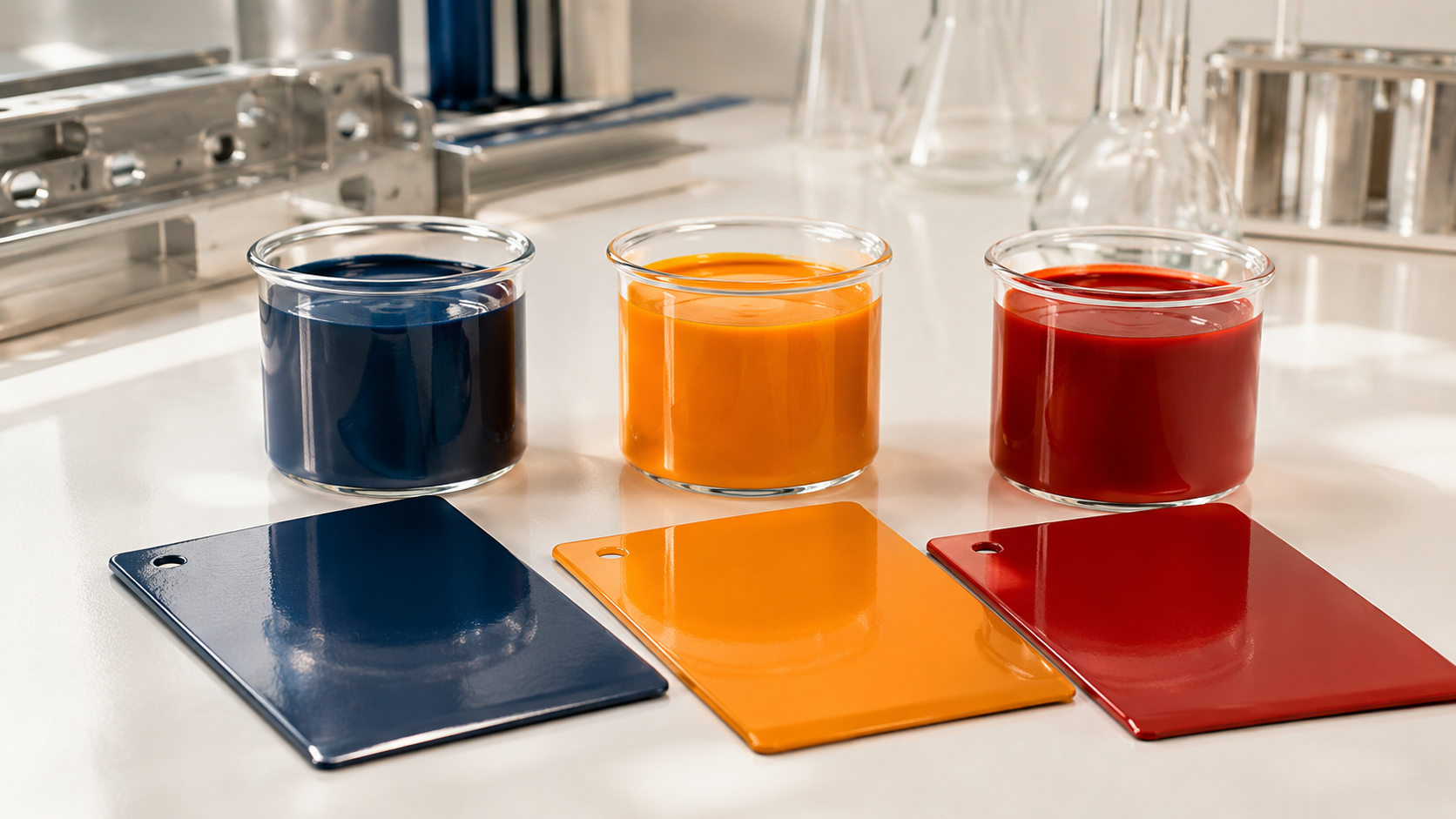
Resin compatibility affects pigment wetting, film leveling and surface smoothness. A well-selected resin can help produce a uniform coating film with improved gloss and visual clarity.
Poor compatibility may result in haze, reduced gloss, floating, flooding or an uneven surface. These problems are especially noticeable in high-gloss industrial coatings and pigmented systems.
Aldehyde ketone and ketone resins are often evaluated as modifying resins when formulators need to improve gloss, pigment wetting, hardness or overall film appearance. Performance depends on the complete formulation and the specific resin grade.
3. Hardness and Flexibility
Coating hardness and flexibility must be balanced according to the final application.
A harder film may provide better scratch resistance and surface durability, but excessive hardness can reduce flexibility and increase the risk of cracking. A more flexible coating may perform better on moving or deformable substrates, although it may offer lower surface hardness.
The correct resin combination should provide enough hardness for protection while maintaining the flexibility required by the substrate and end-use conditions.
4. Drying and Film Formation
Resin solubility and solvent release can affect coating viscosity, application behavior and drying speed.
A resin that is not fully compatible with the solvent system may produce haze, precipitation or unstable viscosity. Excessively fast solvent release can also cause poor leveling, while slow release may increase drying time and reduce production efficiency.
Formulators should evaluate solution clarity, viscosity stability, application flow and film formation under realistic temperature and humidity conditions.
5. Chemical and Environmental Resistance
Industrial coatings may be exposed to water, solvents, cleaners, oils, heat, weathering or other chemicals.
The resin system should be selected according to the expected service environment. In some applications, a thermoplastic resin may provide the required film properties. In others, a crosslinking resin system may be needed to improve hardness, heat resistance or chemical resistance.
Amino resins, for example, may be considered in suitable heat-curing systems where increased crosslink density and resistance are required. Their curing conditions and compatibility with the primary binder must be carefully evaluated.
Key Factors to Evaluate
Before selecting a resin for an industrial coating, consider the following factors:
- Substrate type and surface treatment
- Solvent system and resin solubility
- Pigment and additive compatibility
- Required gloss and appearance
- Adhesion, hardness and flexibility
- Drying or curing conditions
- Chemical and weather resistance
- Application method and target viscosity
- Storage stability of the finished coating
- Regulatory and end-use requirements
No single resin provides the best performance in every coating system. The most suitable option is the resin that delivers the required balance of properties within the complete formulation.
Recommended Laboratory Evaluation
A structured laboratory evaluation can reduce formulation risk before production trials.
Recommended checks include:
- Resin solution clarity and compatibility
- Viscosity and storage stability
- Pigment wetting and dispersion behavior
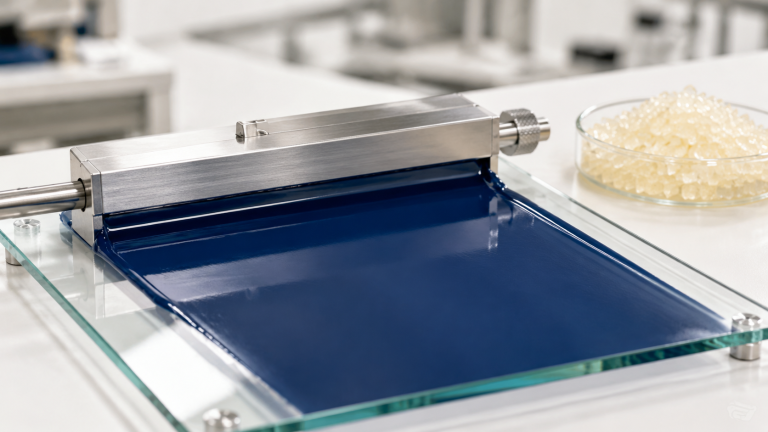
- Drawdown appearance and leveling
- Gloss and color development
- Adhesion to the intended substrate
- Hardness and flexibility
- Water, solvent and chemical resistance
- Drying or curing performance
- Comparison with the current resin system
Whenever possible, testing should use the actual pigments, solvents, additives, substrates and application conditions used in production.
Improving Performance Through Resin Modification
In many formulations, the goal is not to replace the primary binder completely. A specialty modifying resin may be introduced to improve selected properties such as gloss, adhesion, hardness, pigment wetting or drying behavior.
Aldehyde ketone resins, ketone resins, polyamide resins and amino resins each offer different performance characteristics. The appropriate choice depends on the coating chemistry, application method and required end-use performance.
Small-scale compatibility and application testing should always be completed before adjusting the production formulation.
Conclusion
Improving coating performance begins with understanding the relationship between the resin, the complete formulation and the final application.
The right high-performance resin can contribute to better adhesion, smoother film formation, higher gloss, improved durability and more stable processing. However, successful resin selection requires testing under realistic application conditions rather than relying only on a technical data sheet.
Most Chemical supports customers with application-oriented resin recommendations, sample evaluation and stable export supply for printing inks and industrial coatings.
Contact us to discuss your coating formulation and request a suitable resin sample.